How to Sell a Cottage in Pentwater to Seasonal Buyers
July 2, 2026
July 2, 2026
If you own a cottage in Pentwater, you are not just selling a house. You are selling a summer rhythm, a walk to the water, and the kind of getaway buyers picture long before they ever schedule a showing. In a market where the village population can grow from about 900 year-round residents to more than 10,000 in summer, your marketing has to match how seasonal buyers actually shop. This guide will show you how to position your Pentwater cottage, when to launch it, and what details matter most if you want to capture serious seasonal interest. Let’s dive in.
Pentwater is a classic lakeshore destination between Lake Michigan and Pentwater Lake, and that shapes buyer behavior from the start. Many cottage buyers are not just comparing square footage or bedroom count. They are comparing experiences.
That means your marketing should focus on how the property fits summer living. Buyers are often drawn to beach access, outdoor space, marina convenience, walkability to downtown, and the easygoing pace Pentwater is known for. The village’s natural and coastal beauty is one of its strongest local selling points, so that should lead the story.
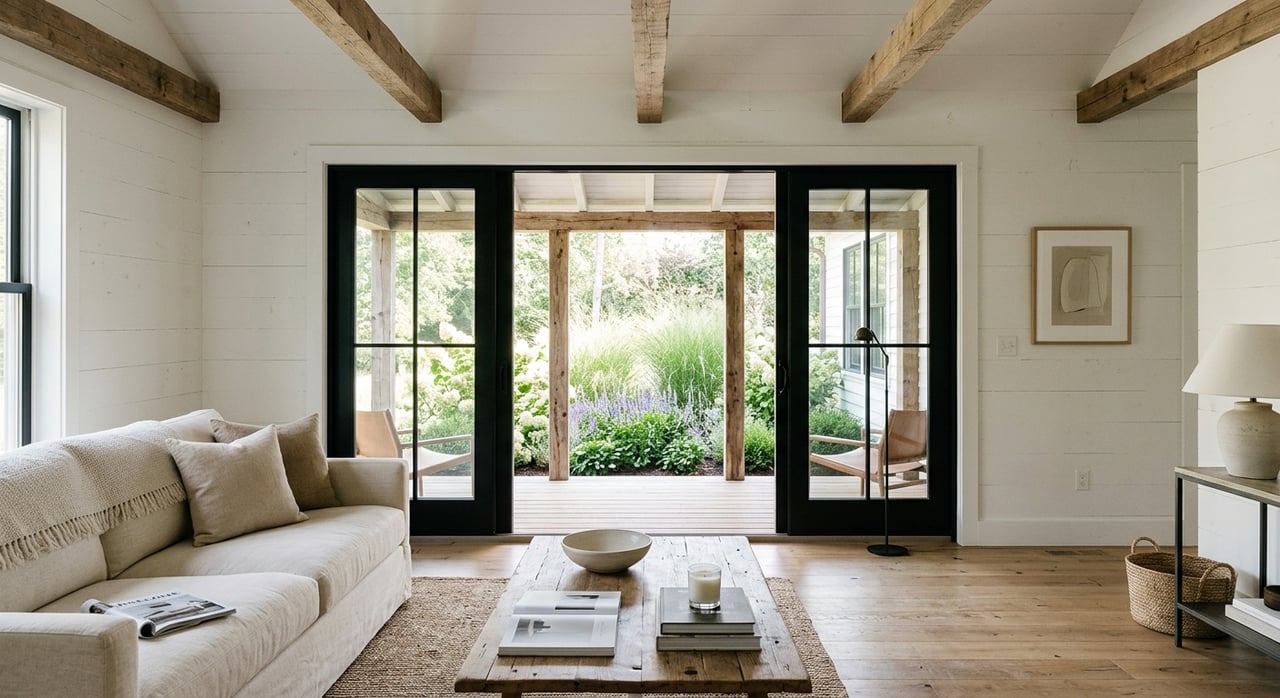
A strong listing for a Pentwater cottage should help buyers imagine their time there. Think morning coffee on the porch, an easy trip to the marina, afternoons near Lake Michigan, and evenings enjoying sunsets or downtown restaurants and shops. Those are the moments that give a seasonal property its emotional pull.
Local features help support that message. Charles Mears State Park is known for its swim beach, fishing pier, campground, and scenic sunsets. Pentwater also has a municipal marina, a Village Green, and a full calendar of spring and summer events, all of which reinforce the appeal of the area during the busiest buying season.
In a seasonal market, timing matters even more than usual. National research points to spring and early summer as strong selling periods, and for Pentwater, the most practical launch window is late April through early June.
That timing gives you a chance to reach buyers before Memorial Day and before the heaviest summer visitor traffic. It also puts your home in front of people when travel plans are taking shape and Pentwater is moving into its most active season. Thursday may also be a smart day to list, based on national timing guidance.
Seasonal buyers often begin online, then make plans to visit in person once they narrow their list. If your cottage hits the market before summer fills up, you give buyers more time to notice it, save it, and work it into a visit.
That matters in a market where buyers may be more selective. Recent reporting on seasonal towns showed sales down, inventory up, and buyers acting more price-conscious. In other words, thoughtful preparation can make a bigger difference than simply waiting for summer traffic.
Most buyers begin their home search online, and many find the home they ultimately buy there. Research also shows that listing photos are the single most useful feature for buyers, with virtual tours and video adding even more value.
For a Pentwater cottage, that means your online presentation has to do more than document the property. It has to create a clear, inviting first impression that makes buyers stop scrolling and click in. The first few days after launch are especially important, so your listing should be fully ready before it goes live.
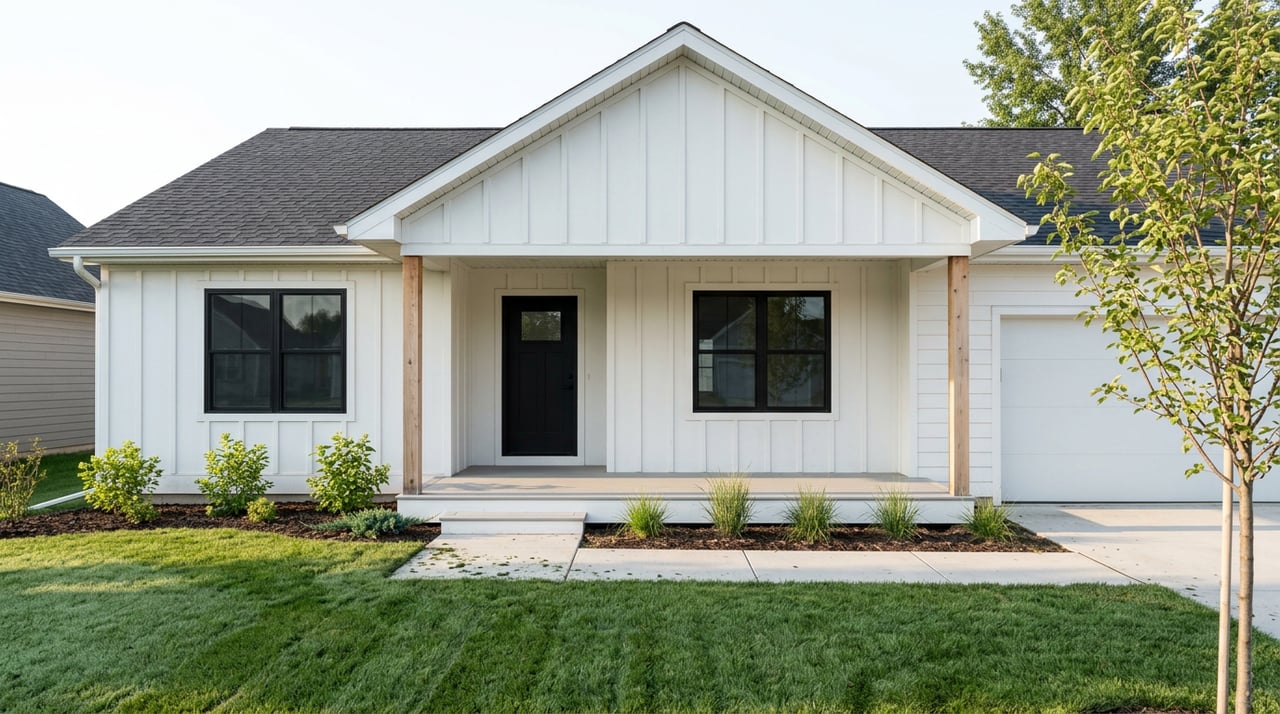
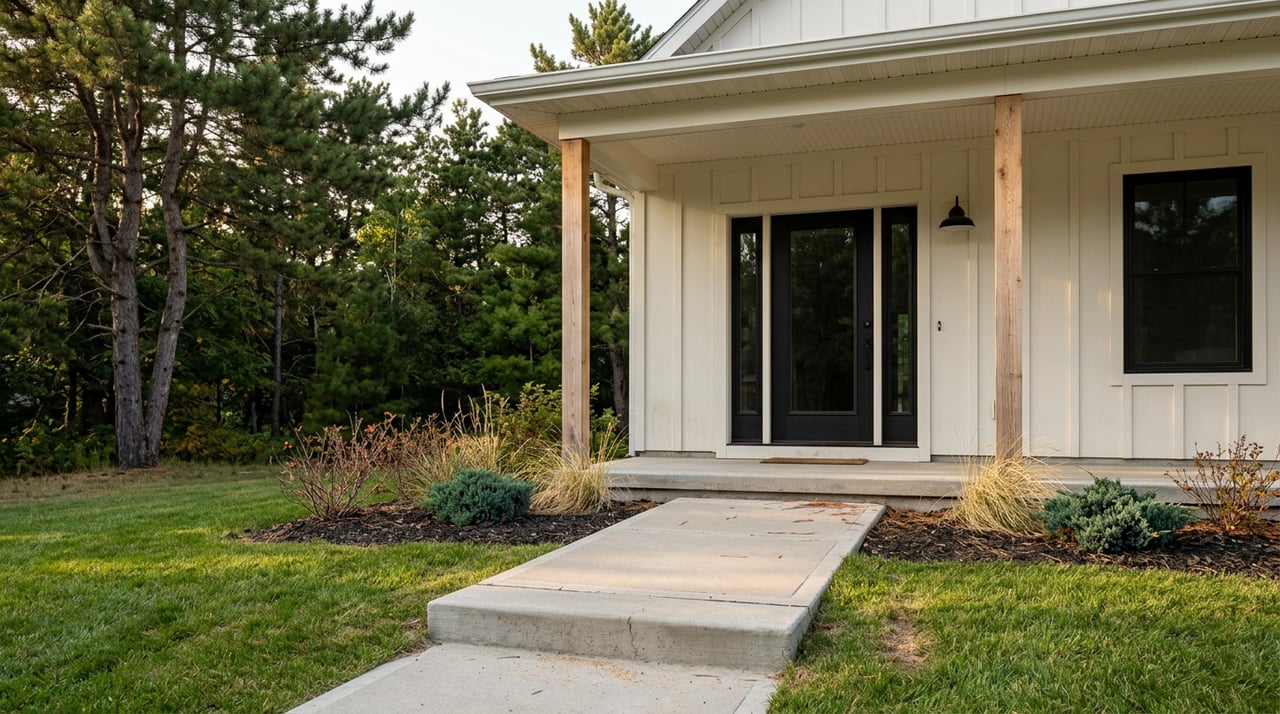
The lead photo matters a lot. It should show the part of the property most likely to spark interest, whether that is the front exterior, a view corridor, or a standout outdoor living area.
The rest of the photo order should help buyers picture the full experience of being there. For a seasonal cottage, that usually means showing these features early in the sequence:
Virtual tours are worth it for a seasonal property. Buyers may be searching from outside the immediate area, and they often want to narrow their options before making a trip.
A good virtual tour helps them understand layout, flow, and room size. Video can also help capture the feel of outdoor spaces, the approach to the home, and the overall cottage atmosphere in a way still photos sometimes cannot.
Staging matters because it helps buyers imagine the home as their future retreat. Research shows it can improve visualization, support stronger offers, and reduce time on market.
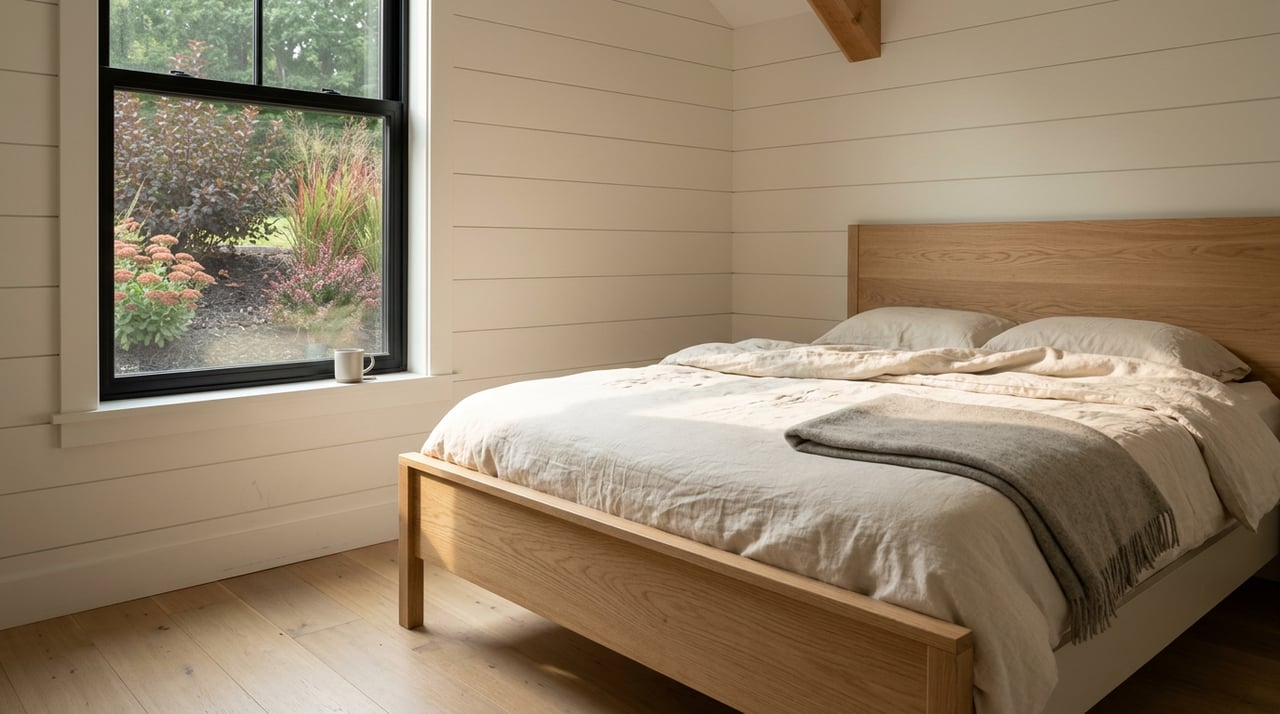
For a Pentwater cottage, the goal is not to over-style the space. You want it to feel clean, airy, comfortable, and ready for guests. Seasonal buyers should be able to walk in and instantly understand how they would use it.
The living room, primary bedroom, and kitchen deserve the most attention. Those are the spaces buyers tend to respond to most strongly.
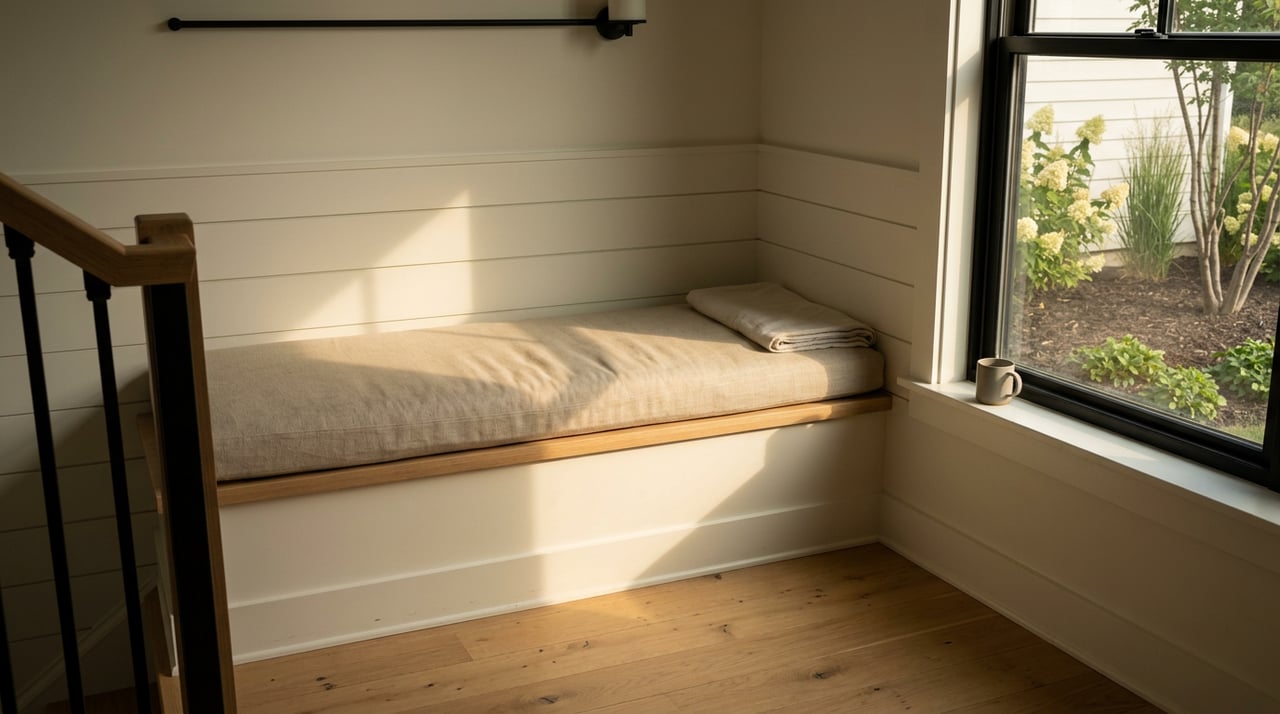
Keep décor simple and light. Open blinds, reduce personal items, clear counters, and create seating areas that feel easy and inviting. If the cottage has bunk space, a loft, or a flex room for guests, make that use obvious without crowding the room.
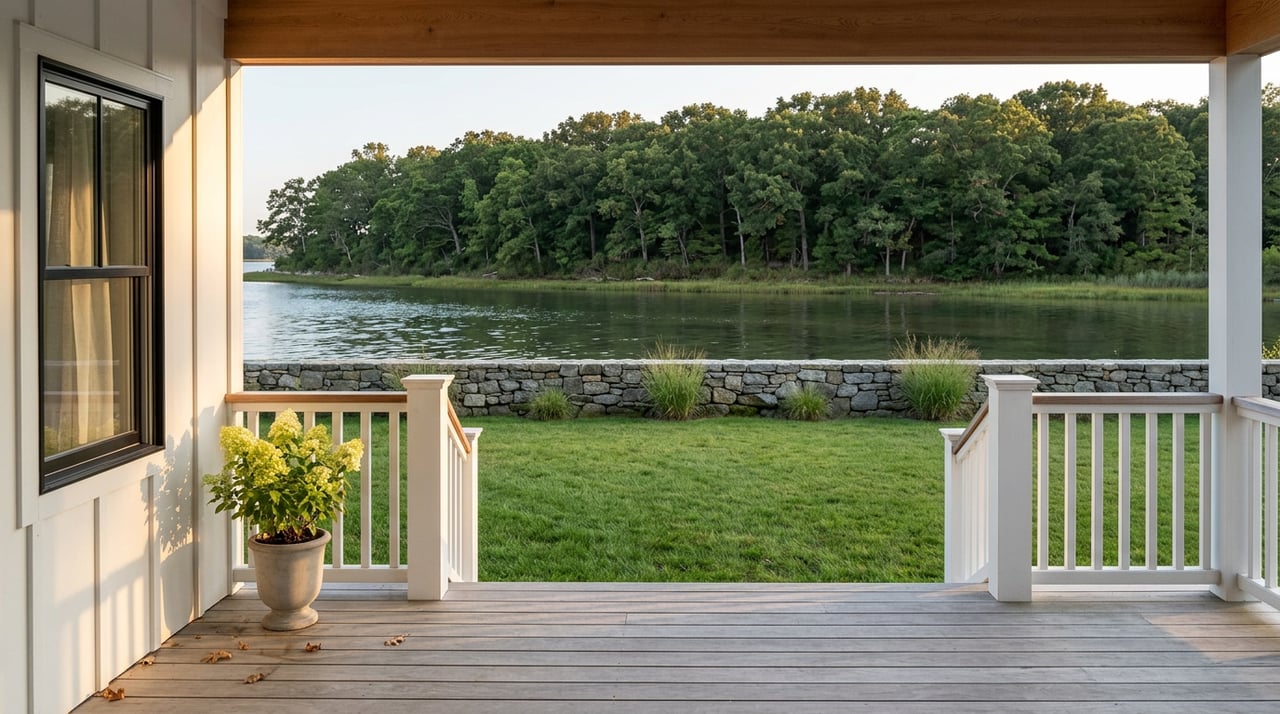
Outdoor space often carries extra weight in a cottage sale. Buyers are not only purchasing indoor square footage. They are also paying for how the property lives in warm-weather months.
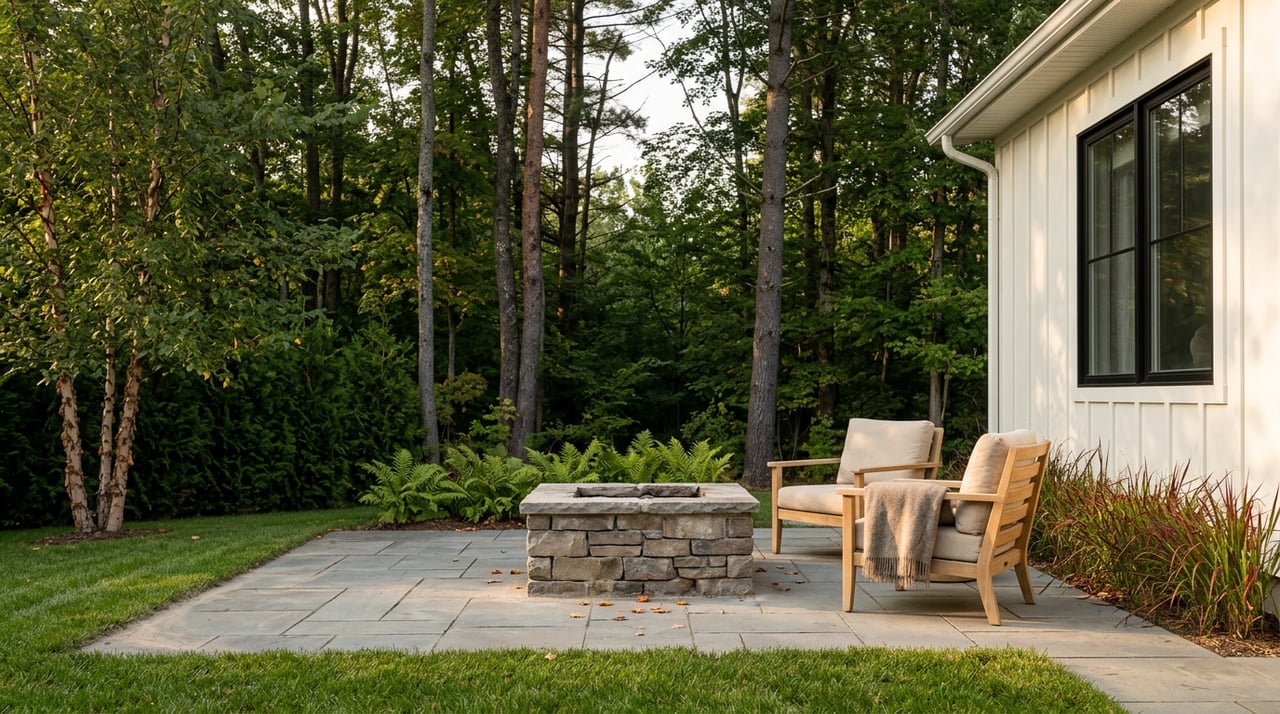
That is why decks, porches, fire pit areas, yard space, and water-oriented features should be clearly shown and described. If there is easy access to the beach, marina, or other outdoor recreation, your marketing should make that convenience easy to understand.
A cottage listing in Pentwater should not read like a bland inventory sheet. Seasonal buyers want facts, but they also want help connecting those facts to a lifestyle.
Strong copy should describe what makes the property useful, memorable, and easy to enjoy. Instead of only focusing on room count and measurements, the description should bring attention to features that support getaway living.
Depending on the property, your marketing may want to highlight:
The strongest message is often simple: this cottage makes it easy to enjoy Pentwater.
Some sellers assume rental potential should be a headline feature. That can be tempting, but in Pentwater, it is smart to be cautious.
Village planning materials show local concern about short-term rentals and note the need for zoning and short-term rental planning updates. If a cottage has rental history, any income-related claim should be verified locally before it becomes part of the marketing message. If you cannot verify it, it is better to leave it out than risk overpromising.
In a more selective seasonal market, pricing and marketing should support each other. Even a beautiful cottage can lose momentum if the photos are weak, the story is flat, or the launch timing misses the main wave of buyer attention.
That is why a customized plan matters. A well-prepared launch, polished visuals, thoughtful staging, and locally informed pricing give your cottage a better chance to stand out when buyers are comparing several options at once.
Pentwater is not a one-size-fits-all market. Seasonal demand, summer traffic patterns, and lifestyle-driven buyer priorities all shape how a cottage should be marketed.
A local agent with a marketing-first approach can help you focus on what buyers are really responding to right now. That includes launch timing, photo strategy, online visibility, staging guidance, and messaging that reflects the Pentwater experience instead of generic listing language.
If you are thinking about selling your Pentwater cottage, working with a local expert can help you build a plan that fits the property and the season. To talk through pricing, timing, and a customized listing strategy, reach out to Gabriela Peterson.
Gaby brings dedication, expertise, and a personal touch to every step of the process. With deep knowledge of the market and a passion for helping clients succeed, Gaby ensures your real estate journey is smooth, transparent, and stress-free.