Search

Leave a Message

Thank you for your message. I will be in touch with you shortly.

Smart Strategies for Pricing a Home in Shelby, MI

January 15, 2026

Pricing your home is not guesswork, especially in a smaller market like Shelby. If you list too high, you risk sitting on the market and chasing price reductions. If you list too low, you leave money on the table. You deserve a clear, local process that helps you choose a price that attracts strong offers without giving away your equity. This guide walks you through a simple, step-by-step approach tailored to Shelby and surrounding Oceana County communities so you can list with confidence. Let’s dive in.

Why price matters in Shelby

Shelby has a smaller pool of buyers and fewer recent sales than large metro areas. That means one off-target price can have a bigger impact on your days on market and final sale. The smartest approach is to combine local sold data, active competition, and the specific features of your home. When you base your price on how buyers in Shelby actually behave, you increase showings and improve your odds of a clean, timely sale.

Gather the right data

Before you set a price, collect a few key local metrics. These help you tell if the market is warming or cooling and how quickly homes like yours are selling:

  • Median sold price over the last 90 days and 12 months
  • Number of closed sales and new listings
  • Median days on market for recent sales
  • List-to-sale price ratio for similar homes
  • Months of inventory and absorption rate
  • Price per square foot by property type

In smaller markets, sold data can be sparse. Expand your time window to 6–12 months and be ready to adjust for differences. Your most reliable sources are the local MLS and county records. Cross-check details so you know you are looking at true closed sales, not pending or expired listings.

Pick the best comps

Comps are recent, similar homes that sold near yours. The closer the match, the more useful the sale is for pricing. Start with the basics that matter most to buyers in Shelby.

  • Stay near the same subdivision or micro-area first. If you are in a spot like Shelby Acres, that is your best comp pool.
  • Match property type, size, age, lot size, and features like garage, basement finish, and updates.
  • Aim for sales in the last 3–6 months when possible. In slower periods, go back up to 12 months and widen the radius carefully.
  • Include a few active and pending listings to see your current competition.

Pick 6–12 comps if you can. Include a couple that are slightly superior and a couple that are slightly inferior to bracket a realistic range.

Adjust for differences

No two homes are identical. After you shortlist comps, adjust for the differences that matter to buyers:

  • Size and layout. Use price per square foot as a starting point, then adjust for functional differences like an extra full bath.
  • Condition and updates. Newer kitchens and baths, fresh paint, and well-maintained systems often support higher prices.
  • Basement and garage. Finished lower levels and secure parking are valued, especially in Michigan winters.
  • Lot and location. Acreage, usable yard, road type, and setting can swing value in rural parts of Shelby.

Use paired-sales logic when you can. If two nearby homes sold around the same time and only one had a new kitchen, that difference can guide your adjustment. In all cases, treat outliers like estate or distressed sales with caution. They define a floor, not your target price.

Read DOM and ratios

Your pricing strategy should reflect how fast similar homes sell and how close they land to list price:

  • Days on Market (DOM). Short DOM with sale prices near list usually means a firm market. Rising DOM suggests softer demand and a need for conservative pricing.
  • List-to-sale price ratio. This shows typical negotiation room. If most similar homes close near their last list price, buyers are paying close to market value.
  • Months of inventory. Fewer months often points to a seller-leaning market. More months can indicate slower movement and more competition.

Watch these trends during the first weeks of your listing. If your traffic and offers lag behind similar homes, your price might be ahead of the market.

Time your listing

In Michigan, spring and early summer often bring more buyers, with another push around the summer season for lake-adjacent areas. Off-season sales still happen, but the buyer pool can be smaller. If you have flexibility, align your launch with higher-traffic months. If you need to list sooner, focus on sharp pricing and standout presentation to reach motivated buyers quickly.

Micro-neighborhood factors

Small location differences can have a big impact in Shelby. Keep these in mind as you compare and adjust:

  • Subdivision match. Same-subdivision comps, such as within Shelby Acres, are your best baseline.
  • Village vs. rural. Walkable village locations appeal to some buyers, while others value acreage, privacy, and outbuildings.
  • Road and access. Paved roads, driveway access, and overall traffic can influence buyer demand.
  • Utilities and systems. Septic and well versus municipal services can affect financing and buyer preferences.
  • Water features. Waterfront or deeded access is a separate segment. Compare only to other homes with similar access whenever possible.

If you have no perfect matches, expand carefully and apply modest, well-explained adjustments for location. Use county GIS and subdivision filters to keep your comps as tight as possible.

Boost perceived value

How your home looks online and in person influences what buyers are willing to pay. A focused prep plan can support a stronger list price and faster sale:

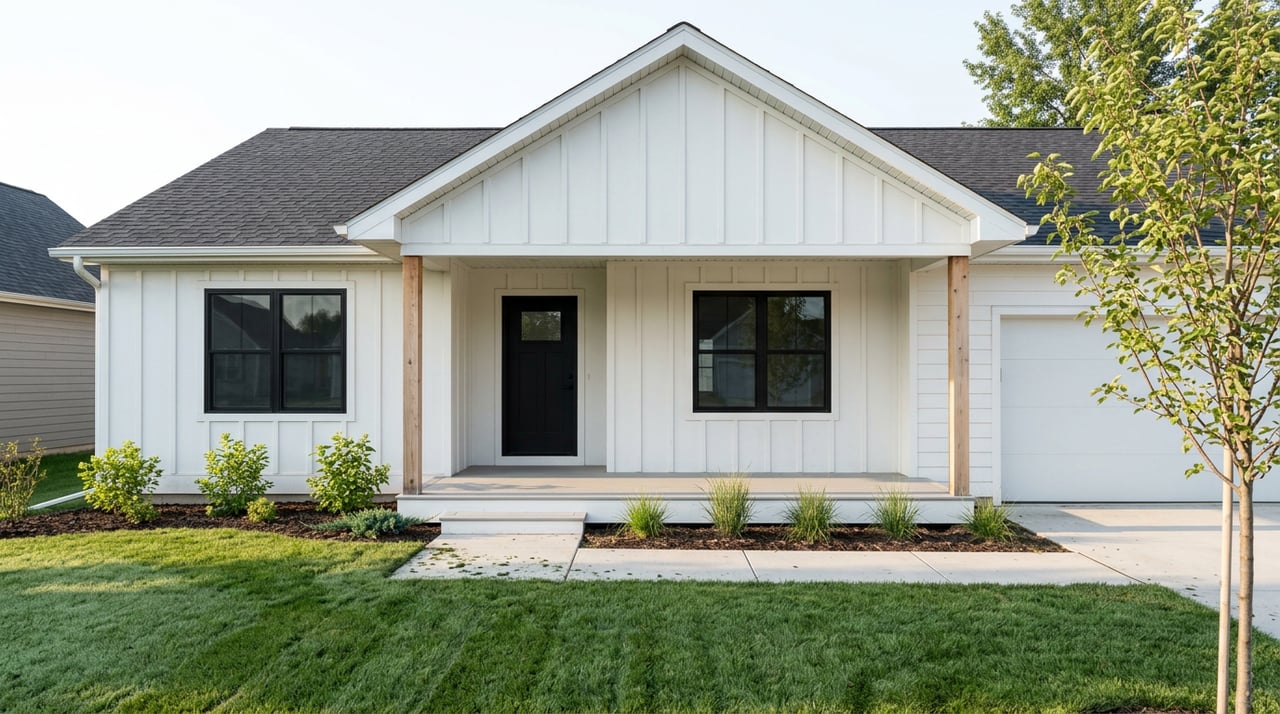
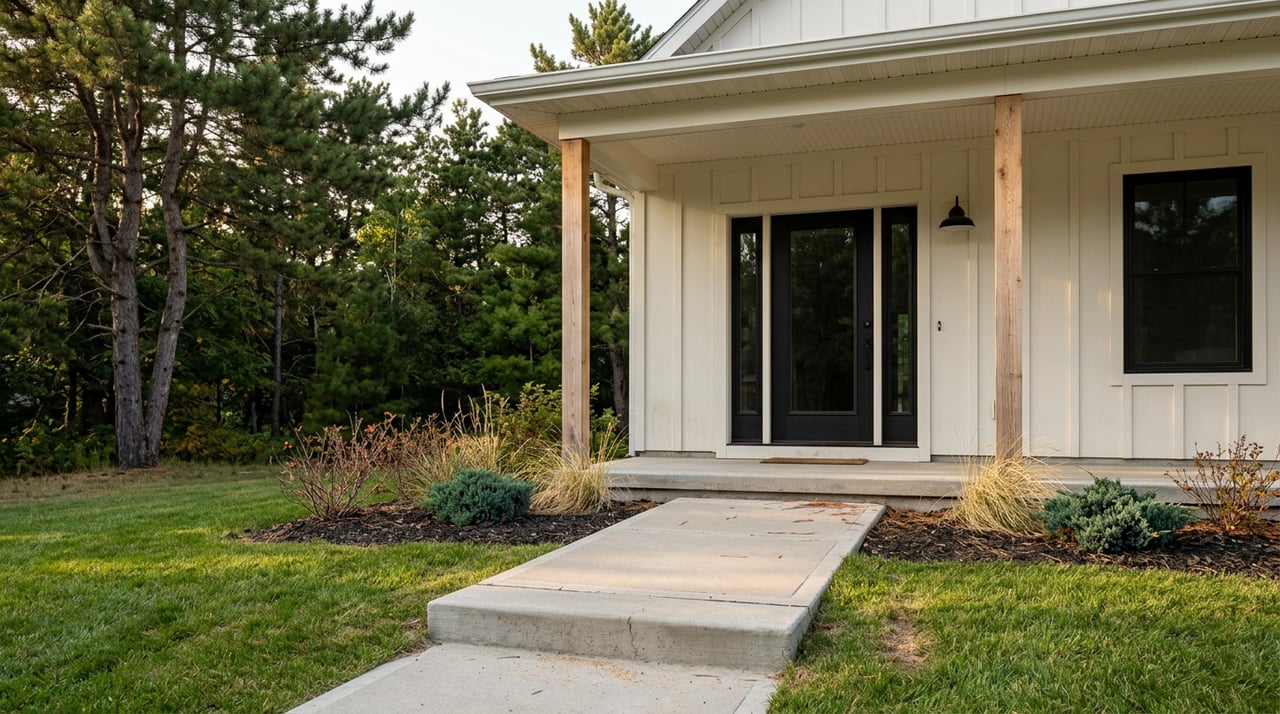
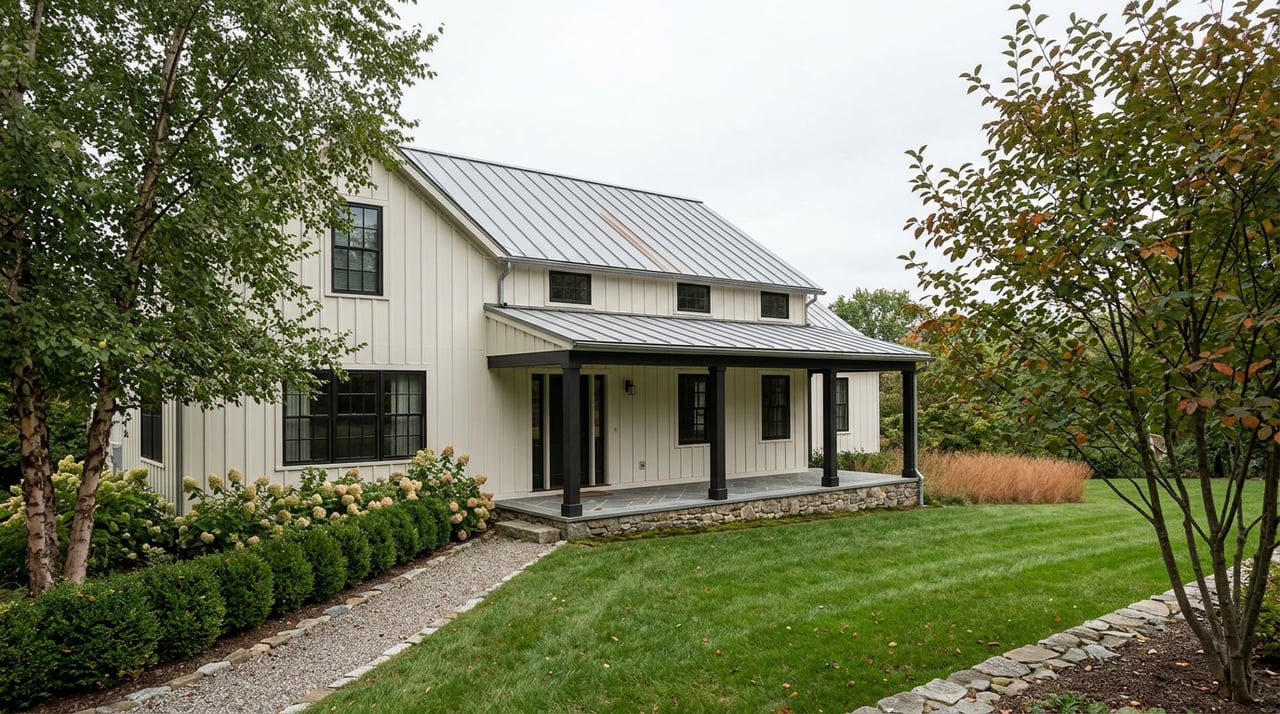
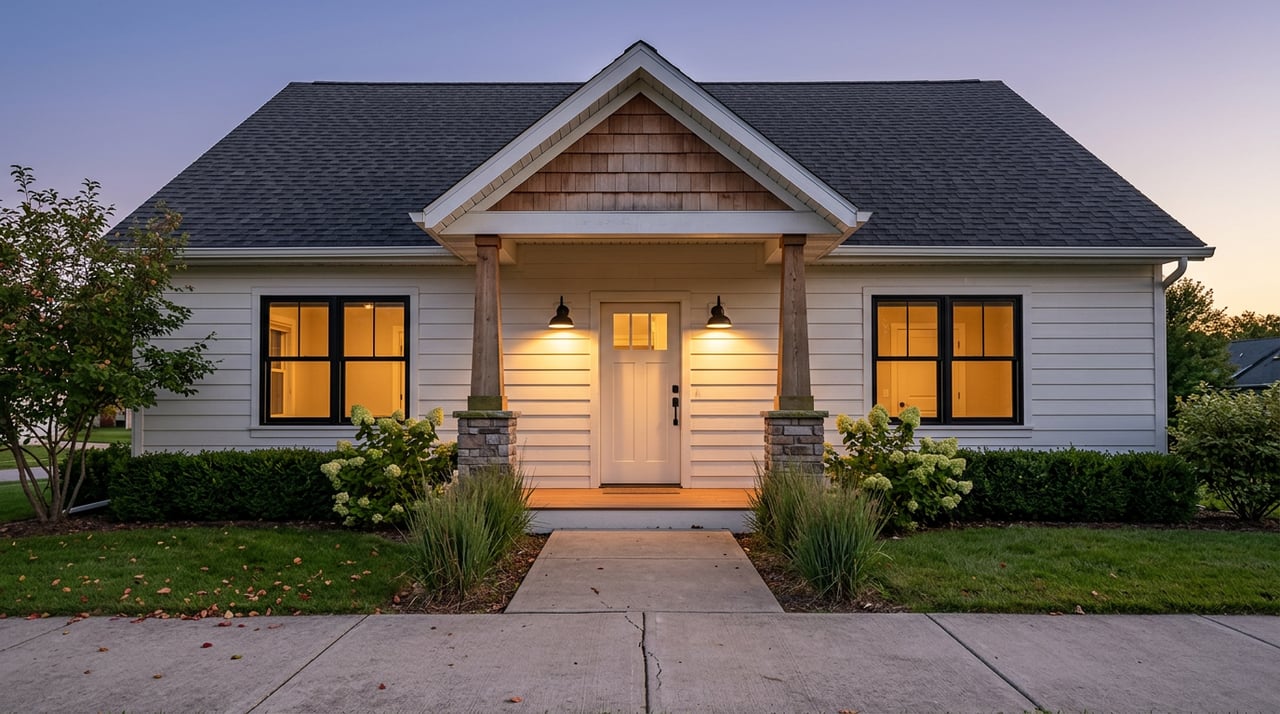
  • Curb appeal. Clean landscaping, fresh entry paint, and clear walkways make a strong first impression.
  • Interior refresh. Deep clean, declutter, and depersonalize. Address small repairs and lighting before you list.
  • Kitchens and baths. Minor updates like new hardware, paint, or fixtures can elevate the feel without overspending.
  • Staging. Even a simple consultation can help rooms feel larger and more functional.
  • Professional media. High-quality photography and virtual tours drive showings and help your listing stand out.

Create a written feature list so buyers and their agents see the updates and maintenance you have completed. That transparency builds confidence during negotiations.

Build your price strategy

After you review comps and adjustments, you will have a value range. Choose a list price that fits your goals and the current market tone:

  • Market pricing. List close to the estimated value to attract the right buyers and keep DOM low.
  • Slight underpricing. Consider this when inventory is tight to encourage multiple offers. Use with care in slower periods.
  • Premium pricing. If you have a unique property and time to test the top of the market, be ready to pivot quickly if activity is light.

Use price bands and buyer search thresholds to your advantage. For example, placing your list at a common search break can help more buyers see it. Do not overthink it, but make sure your price appears in the widest relevant buyer filters.

Monitor and pivot

Your first 2–4 weeks tell the story. Track these signals and be ready to adjust:

  • Showing count and feedback compared to similar listings
  • Saves and views on major portals and your agent’s site
  • Any offers and how they compare to nearby sales

If activity is soft, plan a small, staged reduction rather than a large cut. Communicate the why behind your adjustment, and refresh your marketing at the same time for a clean reset.

Work with a local pro

A strong pricing plan blends data, local nuance, and marketing. You get the best results when your agent pairs a documented CMA with a polished launch that highlights your home’s strengths. With a marketing-first approach, professional photos, and bilingual service, you can reach a broader audience and support your target price with confidence. If you would like a custom pricing walkthrough for your Shelby home, reach out for a free consultation.

Ready to talk strategy for your home in Shelby or the surrounding Oceana County area? Connect with Gabriela Peterson to build your pricing plan and launch with confidence. Hablo español.
FAQs

How do I choose comps for a Shelby home with acreage?

  • Start in the same road corridor and school district, then match acreage, usable land, access, and outbuildings. If you must widen the radius or timeframe, apply careful adjustments for location and land quality.

What if there are very few recent sales near me?

  • Expand the timeframe to 6–12 months and include more pending and active listings to see current competition. Use paired-sales logic to adjust for condition and features, and avoid leaning on any single outlier sale.

Is price per square foot enough to set my list price?

  • Use it as a starting point only. In Shelby, layout, condition, updates, lot type, and location can shift value significantly, so always compare full property profiles before you pick a price.

How long should I expect my Shelby home to be on the market?

  • It depends on price, condition, and season. Track how similar homes perform and watch early signals in the first 2–4 weeks. If showings and offers lag behind comps, consider a small, timely price adjustment.

When should I lower my list price?

  • If your listing is below peer activity in showings or offers after the initial launch period, plan a modest, staged reduction and refresh your marketing to regain attention.

Which pre-list updates usually pay off?

  • Focus on high-ROI basics like deep cleaning, paint, lighting, minor kitchen and bath refreshes, and strong curb appeal. Pair these with professional photos and a clear feature list to support your target price.

Let's Make It Happen

Gaby brings dedication, expertise, and a personal touch to every step of the process. With deep knowledge of the market and a passion for helping clients succeed, Gaby ensures your real estate journey is smooth, transparent, and stress-free.