Thinking about a simple place by the lake where summer days stretch long and quiet winter nights feel like a reset? Pentwater offers that rhythm in a way few places can. If you are curious about what daily life, costs, rules, and upkeep actually look like, you are in the right spot. This guide breaks down the seasonal flow, common cottage types, utilities, permits, and the real maintenance that comes with owning here. Let’s dive in.
Pentwater pace and seasons
Pentwater is a small Lake Michigan harbor village with a clear seasonal rhythm. In late spring through early fall, you will see busy marinas, open restaurants and galleries, and a lively downtown. In late fall through early spring, it gets much quieter as some businesses reduce hours or close for the season. Year-round residents and second-home owners share community life, events, and services.
Summer highlights
- Beach days on Lake Michigan and boating on Pentwater Lake are top draws.
- Marinas, shops, and restaurants are open and active.
- Community events and festivals bring energy and visitors.
- Short-term rentals increase, and foot traffic rises in the village.
Off-season rhythm
- The village slows down, and streets are easier to navigate.
- Some restaurants and services operate on reduced schedules.
- It is a good time to schedule indoor projects and contractor work.
- You enjoy a quieter, small-town feel with less crowding.
Weather realities
- Lake Michigan brings strong winds and changing conditions.
- Snow and freeze-thaw cycles are common in winter.
- Ice on the channel and harbor can form but is not consistently safe for long-term use.
- Always check conditions for swimming and boating, especially cold water and rip currents.
Cottage types and settings
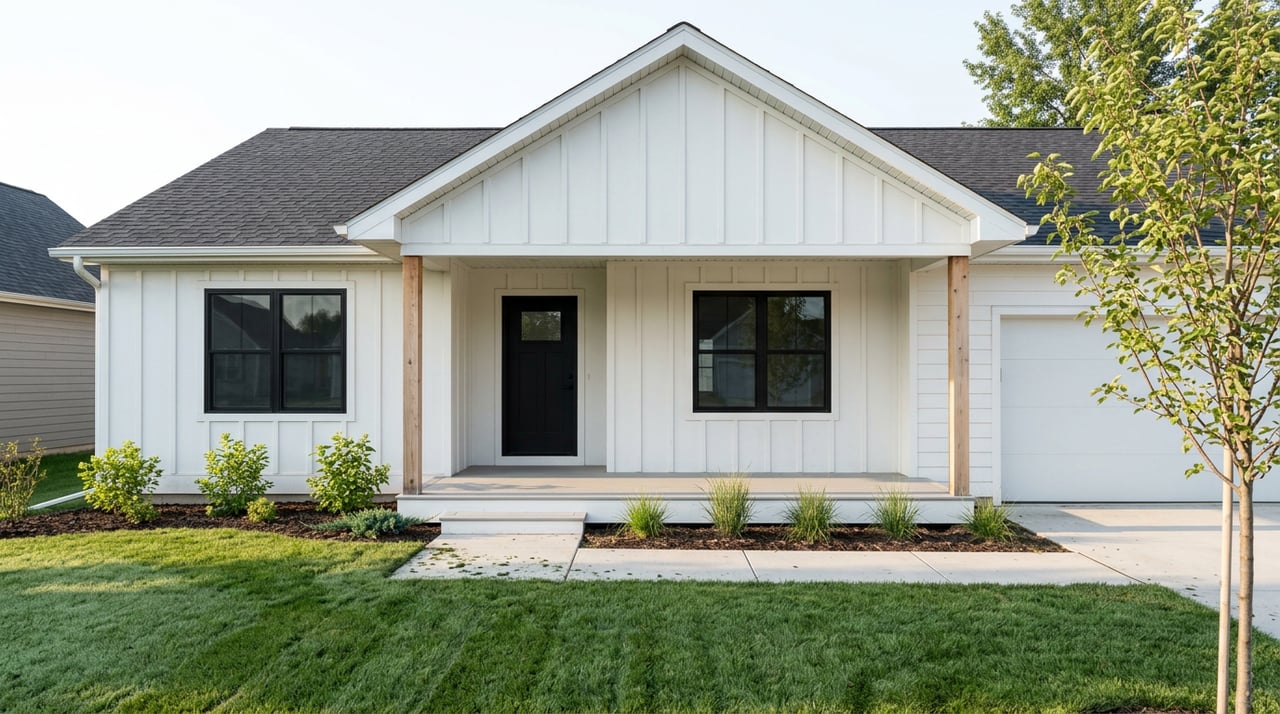
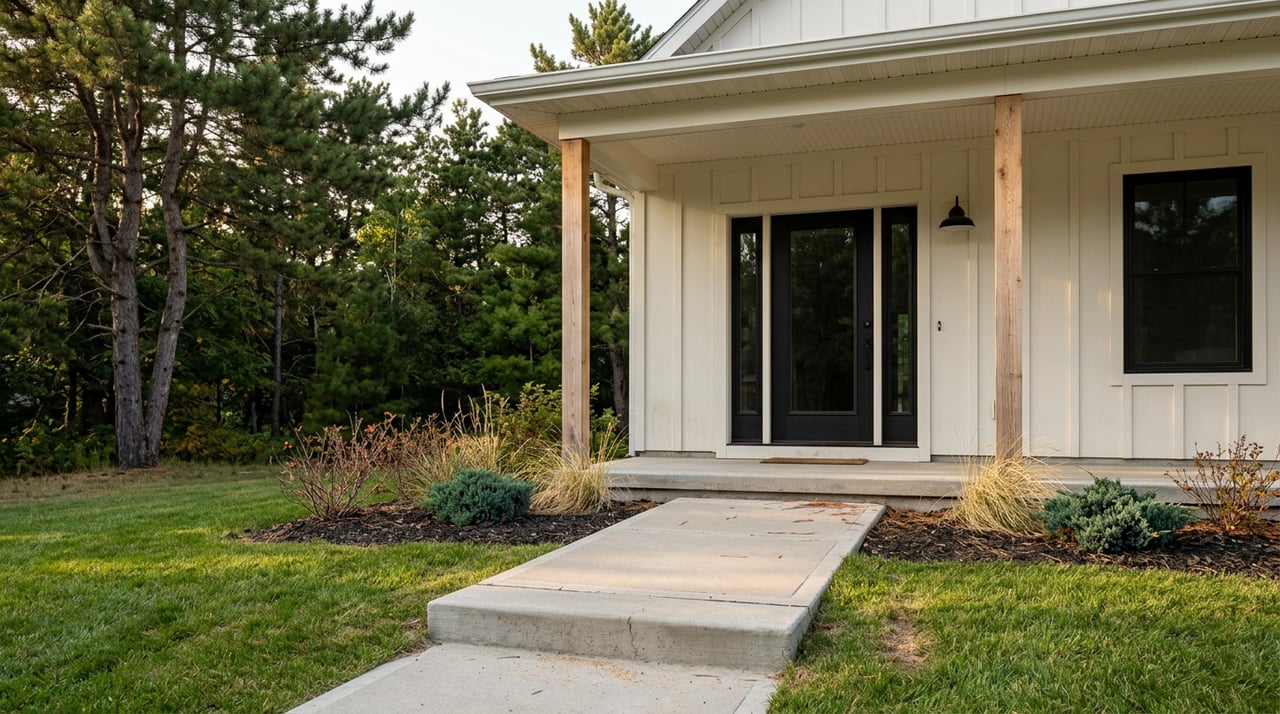
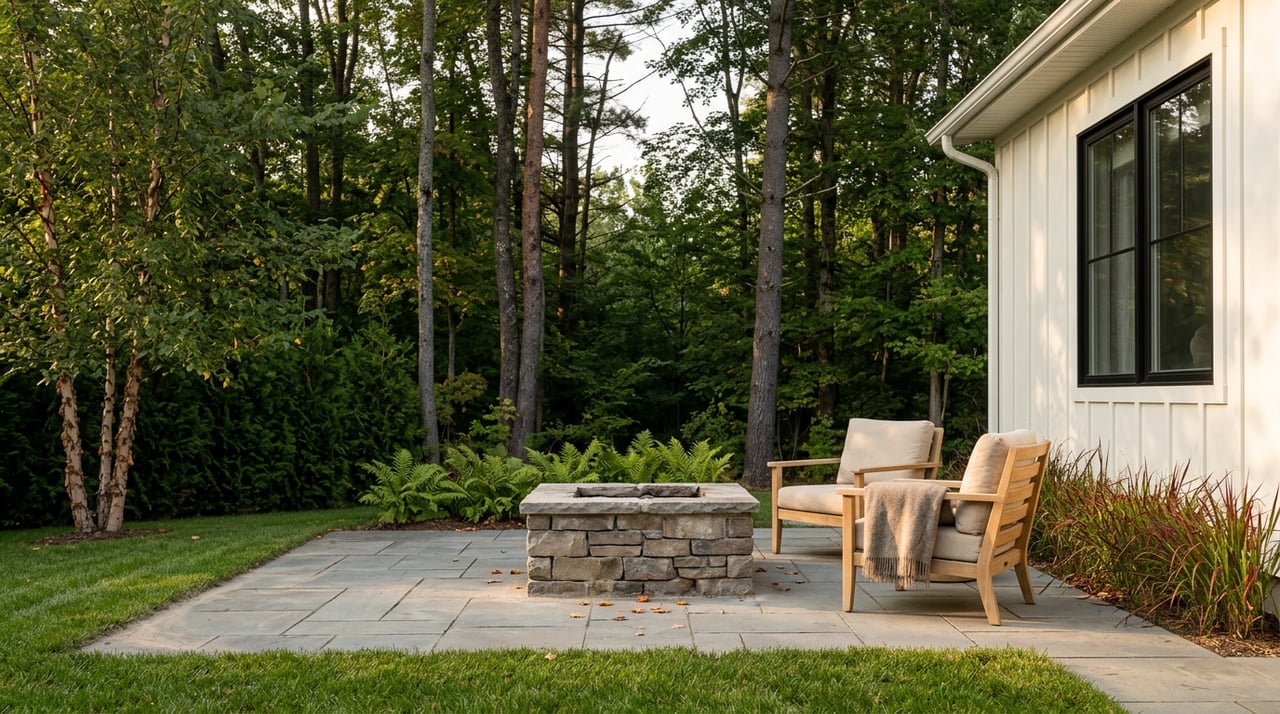
You will find a mix of classic cottages and modernized homes. Many older places have simple floor plans and porches, while newer or rebuilt homes offer expanded living areas and updated systems. Lot sizes vary, but many are compact and geared for outdoor living.
Classic cottages
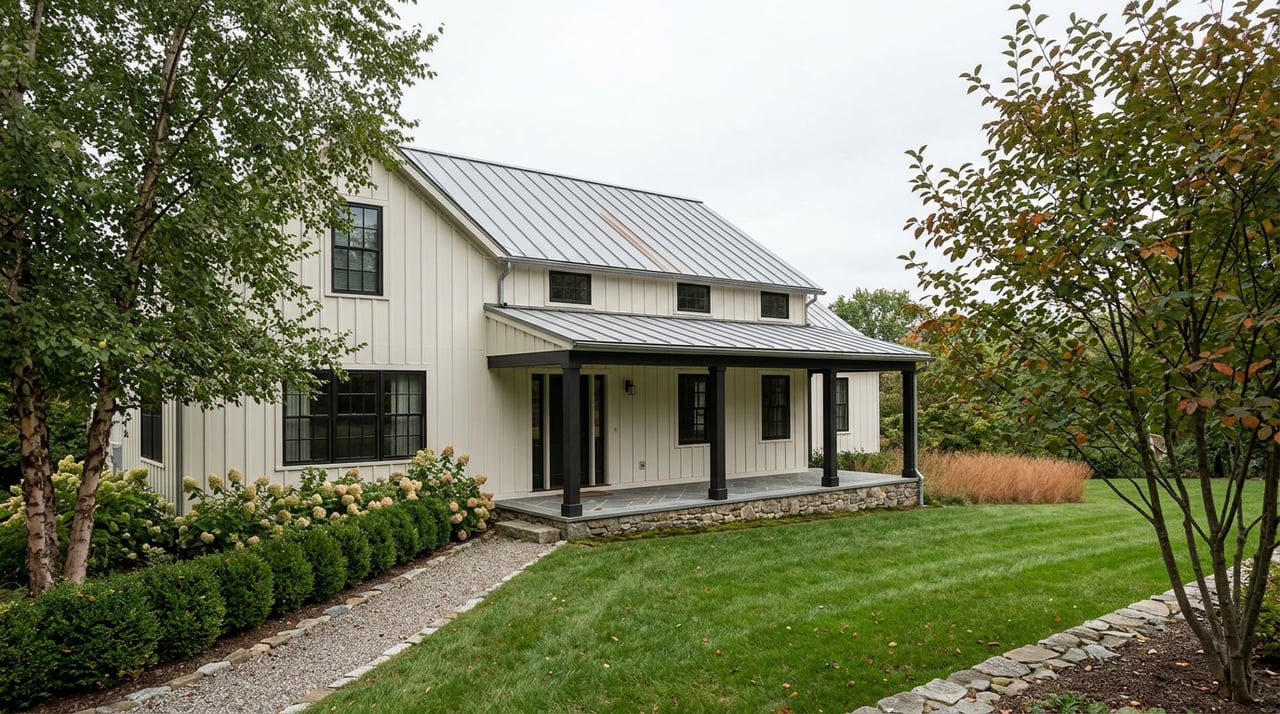
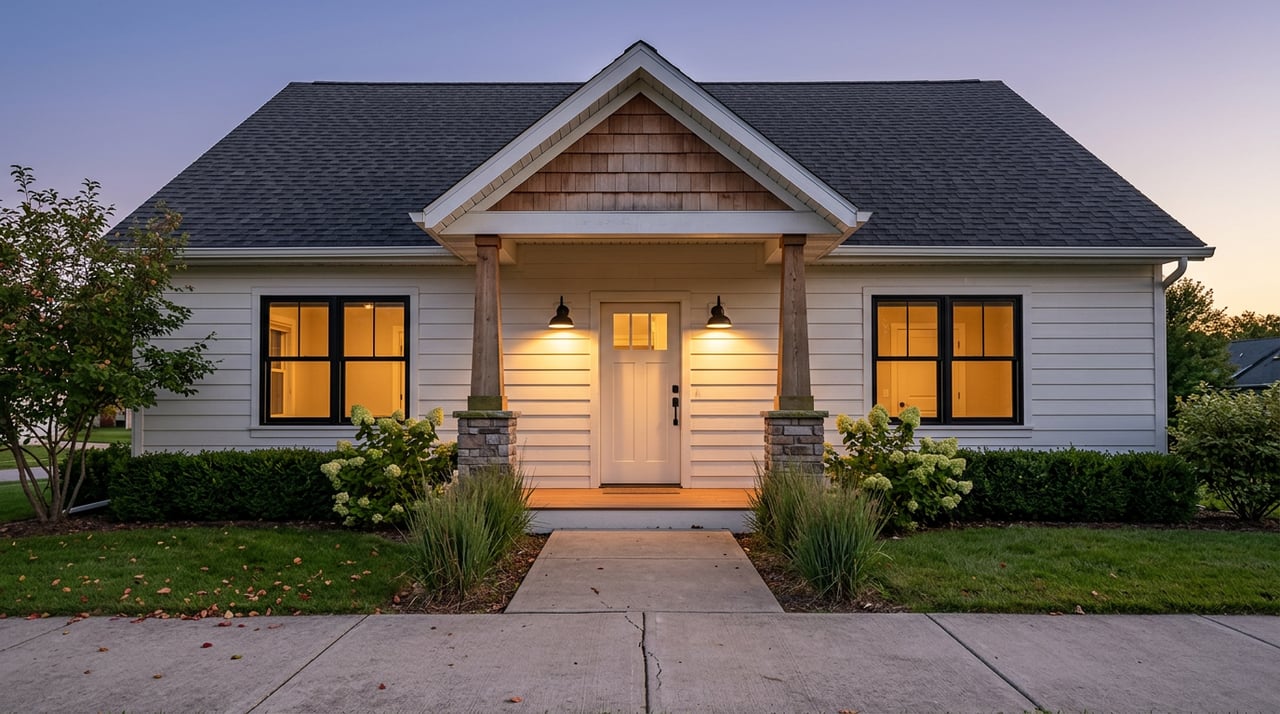
- Early to mid-20th-century bungalows with simple layouts.
- Screened or open porches that extend living space in summer.
- Updates may be partial, with some systems still seasonal.
Updated or rebuilt homes
- Mid-century cottages with year-round systems and enclosed porches.
- Contemporary rebuilds with larger footprints and modern finishes.
- Elevated foundations and engineered shoreline protection where needed.
Where cottages sit
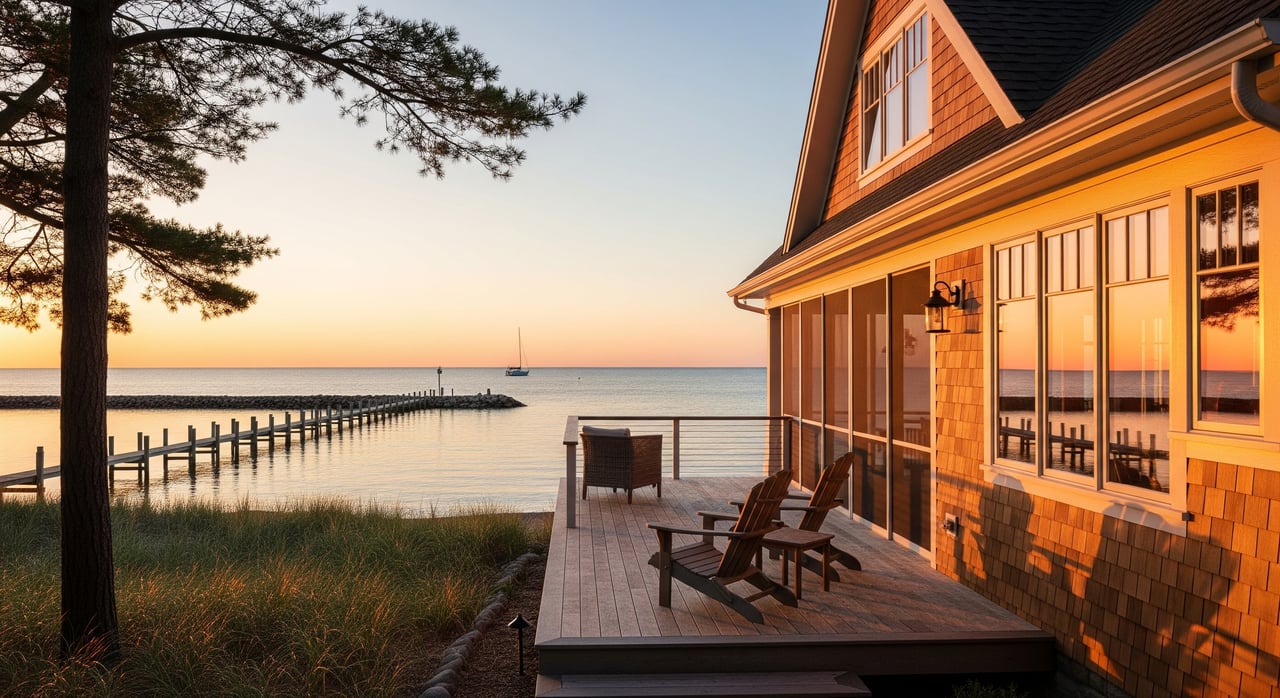
- Lake Michigan frontage with dunes or beach vegetation in some areas.
- Channel or harbor frontage with boat access.
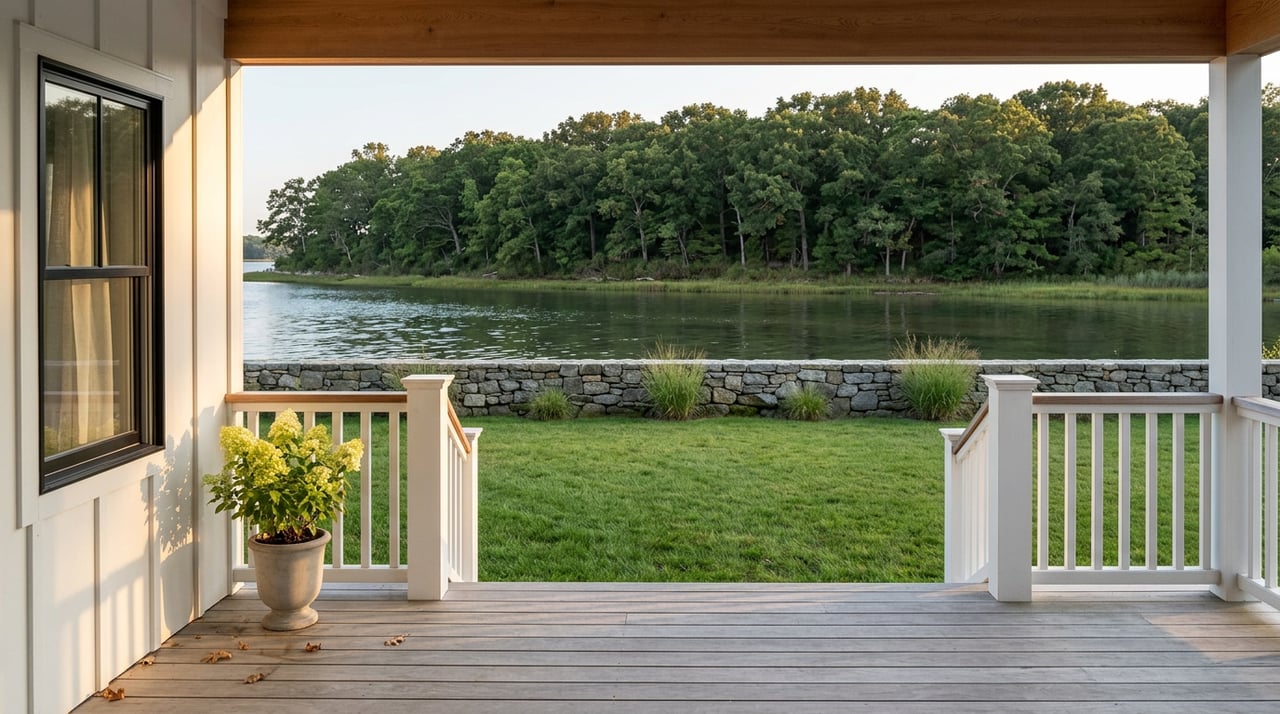
- Inland Pentwater Lake frontage for calmer water.
- Village streets that are a short walk to the lake and downtown.
What ownership feels like week to week
Owning a cottage here means learning the seasonal cadence. You will plan for spring commissioning, enjoy summer maintenance with a view, and button up carefully in fall. Winter can be low-key if you set up smart systems and checks.
Spring to-do list
- Inspect roof, gutters, and siding after winter.
- Commission HVAC and check filters and thermostats.
- Prepare docks and lifts if you have waterfront access.
- Confirm septic schedules and pump if needed.
Summer routine
- Keep up with lawn care, deck maintenance, and outdoor furniture upkeep.
- Monitor shoreline for erosion or shifting sand.
- Stay current on boat insurance and marina fees if applicable.
- Enjoy local events while planning ahead for contractor availability.
Fall close-down
- Winterize plumbing or hire a professional caretaker.
- Remove portable docks and lifts if required.
- Clean gutters and store cushions and outdoor gear.
- Schedule HVAC checks before the first deep freeze.
Winter check-ins
- Watch for ice and snow buildup on roofs and decks.
- Maintain safe heat levels if the home is unoccupied.
- Tackle interior projects when contractors are less booked.
- Plan next year’s exterior work early to secure timelines.
Utilities and connectivity
Pentwater cottages can have very different utility setups. Verify each system during due diligence so you know how the home will perform in every season.
Water and sewer
- In the Village, some properties connect to municipal water and sewer.
- Outside the village or on private lots, expect wells and septic systems.
- Confirm service maps and plan for septic inspections before closing.
Heating and fuel
- Many cottages use forced-air furnaces fueled by natural gas or propane.
- Some rely on heat pumps or electric heat. A few older homes may use oil or wood.
- Plan for propane deliveries and regular HVAC service.
Internet and cell service
- Internet coverage is adequate in the village but can be spotty in remote spots.
- Confirm providers and speeds if you plan to work remotely.
- Test cell reception at the property and along your regular routes.
Permits, rules, and insurance
Shoreline locations are special, and they come with rules that protect the environment and your investment. Before you renovate, add a dock, or adjust the shoreline, get the facts.
Shoreline and dunes
- Work near the Great Lakes shoreline or the ordinary high-water mark often needs state permits.
- Dune protection can limit grading and vegetation removal.
- Some in-water work may also require federal permits.
Septic and building permits
- Septic and well systems are regulated at the county level.
- Renovations must follow local zoning, setback, and height rules.
- Always check with local building departments before starting projects.
Short-term rentals
- Vacation rental rules vary by jurisdiction and can include licensing and taxes.
- Confirm current ordinances before counting on rental income.
- Understand neighborhood expectations and minimum-stay policies.
Flood and insurance
- Flood and erosion risk is a key consideration for lakefront cottages.
- FEMA flood maps and local guidance determine insurance requirements.
- Standard policies may exclude certain coastal risks, so ask about wind, hail, and flood coverage.
- Some insurers require elevation or structural measures for exposed properties.
Budgeting for a cottage
Make a plan that covers routine care and the unique needs of waterfront living. Costs vary by property size, exposure, and systems.
Regular expense categories
- Property taxes and homeowner’s insurance.
- HVAC service and filter replacements.
- Septic pumping as needed, typically every few years.
- Landscaping, dock work, and shoreline inspections.
Typical cost ranges
- Septic pumping: a few hundred dollars every 3 to 5 years.
- Dock install and removal: several thousand dollars annually, depending on complexity.
- Shoreline stabilization or seawall repairs: from lower thousands for small fixes to tens of thousands for engineered projects.
- Professional winterization and de-winterization: a few hundred dollars per visit.
- Annual maintenance planning: many owners budget 1 to 3 percent of property value, adjusted for age and exposure.
Why costs can be higher
- Lake wind, sand, and moisture increase exterior wear.
- Waterfront infrastructure adds recurring tasks and fees.
- Seasonal scheduling creates peak demand for contractors in summer.
Buying smart with local timing
Timing matters in a market with strong seasonality. Listings and showings often peak in spring and summer, and buyers tend to make decisions during warm-weather visits.
Market tendencies
- Waterfront or near-water properties carry a clear price premium.
- Inventory and activity are stronger in late spring and summer.
- Short-term rental demand exists in season, but rules vary.
Practical tips
- View the property in different seasons if possible.
- Ask for utility statements and service records.
- Book inspections early during peak season.
- If you plan projects, schedule off-season work to secure crews.
Is Pentwater a fit for you?
Pentwater is ideal if you want a walkable harbor village in summer and a quieter retreat the rest of the year. You will enjoy quick lake access, small-town charm, and a community that understands seasonal life. You should also be comfortable with permits, maintenance routines, and planning for weather.
You may love it if:
- You want lively summers and peaceful winters.
- You value simple cottage layouts and outdoor living.
- You enjoy boating, beaches, and small-town events.
Plan for these realities:
- Added upkeep from wind and water exposure.
- Clear rules for shoreline work and rentals.
- Contractor schedules that book up fast in peak months.
Ready to explore cottages that fit your budget and lifestyle in Oceana County? Let’s talk about your timeline, must-haves, and the steps to buy with confidence. Reach out to Gabriela Peterson for local guidance, a marketing-first approach, and bilingual service. Se habla español.
FAQs
What is the seasonal lifestyle like in Pentwater?
- Expect lively summers with open marinas, shops, and events, and a quieter off-season when some businesses reduce hours and the village slows down.
What types of cottages are common in Pentwater?
- You will see classic early to mid-20th-century cottages, modernized mid-century homes with year-round systems, and newer or rebuilt lake houses with contemporary finishes.
How do utilities typically work for Pentwater cottages?
- In-village homes may have municipal water and sewer, while many others use private wells and septic systems; heating can be natural gas, propane, electric, or other systems.
Do I need permits to add a dock or seawall?
- Often yes. Shoreline work near the Great Lakes and the ordinary high-water mark typically requires state permits, and some projects may also need federal approval.
Will I need flood insurance for a lakefront cottage?
- Possibly. Requirements depend on FEMA flood maps and your lender, and you should review wind, hail, and flood coverage options with an experienced local insurance agent.
Can I rent my Pentwater cottage short term?
- Many owners rent in season, but rules, licensing, and taxes vary locally, so confirm current ordinances before relying on rental income.