Thinking about selling your manufactured home in Rothbury and not sure where to start? You are not alone. Between title questions, park rules, and lender requirements, it can feel like a maze. In this guide, you will learn the exact steps to prepare, the paperwork to gather, the fixes that matter, and how to price and market for a smooth closing. Let’s dive in.
Confirm title and affixture first
In Michigan, a manufactured home is usually titled as personal property unless it has been permanently attached and recorded as real property. Start by confirming who is listed on the state Certificate of Manufactured Home Ownership and whether the home was converted to real property using an Affidavit of Affixture. You can review mobile home title rules on the Michigan Secretary of State page for mobile homes.
If you plan to sell the home with the land, verify whether an Affidavit of Affixture (Form BCC-961) was filed and recorded. You can review a reference copy of the form through this Affidavit of Affixture resource. After filing with the state, the certified affidavit is recorded at the Oceana County Register of Deeds.
If the buyer needs a conventional or FHA loan, lenders typically want the home titled as real property and installed to HUD standards. You can see why titling matters for financing on Fannie Mae’s guidance on manufactured home titling.
Also, check local zoning or permits if you expect a buyer to move the home or add structures. Find local forms and contacts on the Village of Rothbury forms and publications page.
Build your document packet
Create a single digital folder you can share with buyers, lenders, and appraisers. Include:
- Current certificate of title and any lien releases or payoff letters. If you lost the title, request a duplicate through the Michigan mobile home title page.
- Affidavit of Affixture and the recorded copy if the home is real property. If not, note whether wheels, axles, and hitch were removed and whether a permanent foundation exists. See the affixture reference form.
- Photos of the HUD Certification Label on the exterior and the interior Data Plate. If missing, learn about verification options on HUD’s label and data plate page.
- Permits and inspection sign-offs for additions, decks, HVAC, roofing, electrical, or foundation work. Local forms are on the Village of Rothbury site.
- Repair receipts and maintenance records for items like roof, HVAC, skirting, and steps.
- Michigan Seller’s Disclosure Statement. Use the statutory form outlined in the Michigan Seller Disclosure Act. Deliver this before a binding purchase contract.
- Lead-based paint disclosure for homes built before 1978, plus the EPA/HUD pamphlet. Review the basics on EPA’s lead information page.
- If the home sits in a land-lease community, add the current lot lease, park rules, and any transfer or application requirements with timing and fees.
Tackle the fixes that clear underwriting
Before you list, address items that can stop a deal or trigger appraisal conditions.
- Safety issues first. Fix active electrical hazards, major roof leaks, or HVAC failures. A general pre-list inspection can help you spot problems early. See an overview of sale prep and legal steps on Nolo’s Michigan home-selling guide.
- Foundation, tie-downs, and skirting. Mortgage buyers often need a permanent foundation that aligns with lender and HUD guidance. Ensure skirting is intact, ventilated, and allows access. For HUD label and data-plate context, see HUD’s manufactured home labels page.
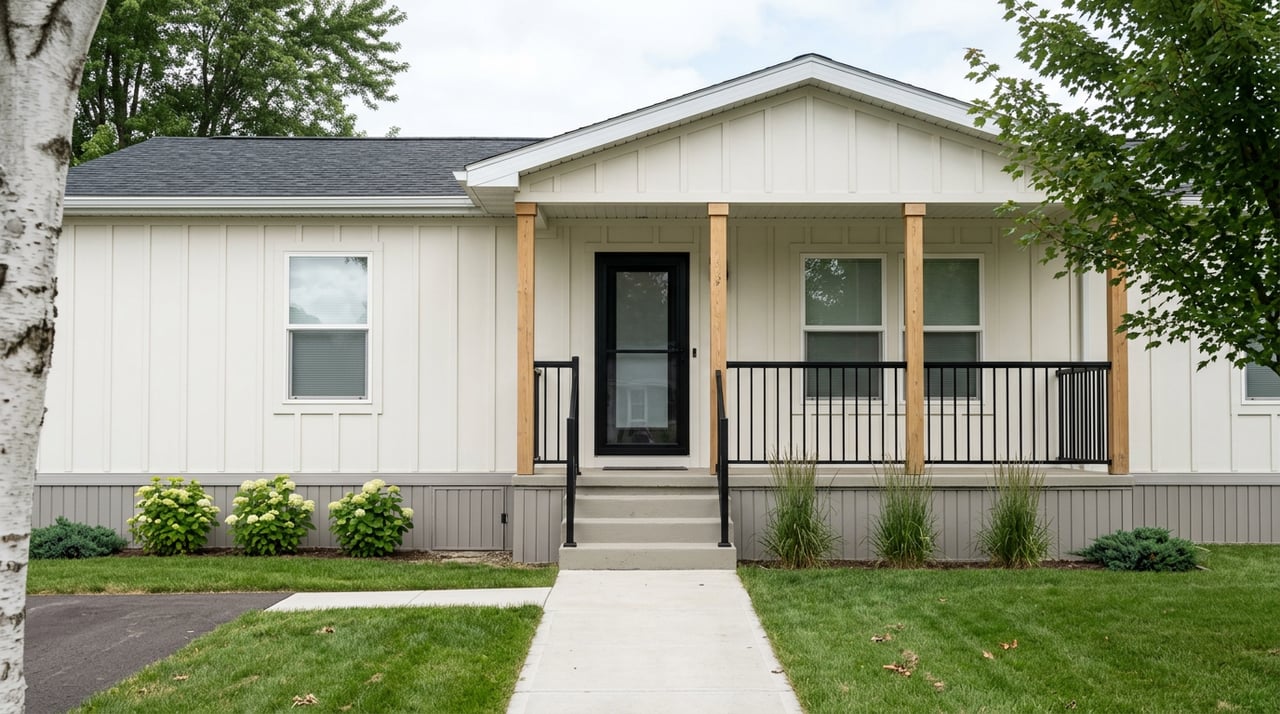
- Quick curb-appeal and interior wins. Repair damaged skirting, rebuild or secure entry steps and landings, touch up paint, replace stained ceiling tiles, and consider low-cost flooring updates in high-traffic areas. These are affordable and show well in photos.
- Optional pre-list inspection. A manufactured-home-aware inspection can identify missing HUD tags, foundation gaps, or electrical issues before buyers do. Sharing the report or your repair receipts builds trust. You can read about common sale requirements in this Michigan-focused overview.
Pricing, financing, and appraisals
Your title status and foundation can change who can buy your home and how much they can pay.
- Title and financing link. If the home is sold as personal property in a park, most buyers will need chattel or FHA Title I loans, which can mean a smaller buyer pool. If it is real property with the land, many buyers can use conventional, FHA Title II, VA, or USDA loans. Review why titling as real property expands financing options in Fannie Mae’s guidance.
- Appraisal details. Manufactured homes are appraised on specialized forms and require documentation of HUD labels, the data plate, and the foundation. For a sense of lender expectations, see this FHA manufactured home guideline summary.
- How to widen your buyer pool. If practical, consider completing the Affidavit of Affixture and recording it before listing. Also, include clear photos of the HUD label and data plate and have any foundation documentation ready.
Park sales in Rothbury
If your home is in a land-lease community, plan for a few extra steps:
- Gather the lease, park rules, and written transfer steps with timelines and fees.
- Ask park management early about approval requirements for your buyer.
- Be clear in marketing whether the sale is home-only or includes the land and what the monthly lot rent is.
MLS and marketing that works
Set up your listing so buyers and lenders get what they need right away.
- Property type and status. Clearly mark your listing as a manufactured home. State whether it is home-only or home with land. If real property, note the recorded Affidavit of Affixture.
- Attachments. Upload the Michigan Seller’s Disclosure, any required lead disclosure, clear photos of the HUD tag and data plate, and copies of title or affixture paperwork.
- Key details in the description. Include the year of manufacture, make and model if known, VIN or serial number location, and notes about the foundation and utilities.
- Local reach with polished presentation. Professional photos, a simple staging plan, and targeted marketing draw more qualified buyers. Bilingual marketing helps you reach more Oceana County residents.
Simple pre-list timeline
Follow this order to prevent surprises once you hit the market:
- Confirm title owners and any liens via the Michigan Secretary of State records. If the home was affixed, check the recorded affidavit at the Oceana County Register of Deeds. Review general title rules on the Michigan mobile home page.
- Decide on your sale type. If you want to include the land and enable conventional or FHA financing, consider filing the Affidavit of Affixture. See the reference affixture form, then record it at the county.
- Order a pre-list inspection with experience in manufactured homes and get estimates for safety and foundation items. For a legal overview of sale requirements, see this Michigan guide.
- Complete the Michigan Seller’s Disclosure and the lead packet if the home was built before 1978. Use the statutory disclosure form and the EPA’s lead info.
- If in a park, get the manager’s current transfer rules in writing with any buyer application deadlines or right-of-first-refusal details.
- Launch the MLS listing with all documents attached, clear status on home-only vs home-with-land, and strong photos that show the foundation, skirting, steps, and label/data-plate details.
Local snapshot for Rothbury sellers
Recent county data suggests typical single-family values in Rothbury are around 204,000 dollars, with Oceana County near 235,000 dollars. Manufactured homes often sell differently than site-built homes, so always compare to recent manufactured-home sales and consider whether the sale is home-only in a park or home-with-land.
Ready to list in Rothbury?
Selling a manufactured home takes a bit more planning, but when you organize title, fix the key items, and present the right documents on day one, you set yourself up for a faster, cleaner closing. If you want help pricing, positioning, and marketing your Rothbury home, reach out to Gabriela Peterson to get a clear plan that meets your goals. Schedule your free consultation.
FAQs
What is the difference between personal property and real property for a manufactured home in Michigan?
- A home is personal property if it has a state title and is not permanently affixed. It becomes real property when it is permanently attached and an Affidavit of Affixture is filed and recorded, which can expand buyer financing options per Fannie Mae guidance.
How do I replace a lost Michigan title for my manufactured home?
- Request a duplicate through the Michigan Secretary of State. Start with the mobile home title information page and follow the steps for duplicate titles and lien releases.
Do I need the HUD label and data plate to sell?
- Many lenders and appraisers require the exterior HUD Certification Label and the interior Data Plate. If they are missing, you can explore verification options described on HUD’s labels and data-plate page.
What disclosures are required when selling a manufactured home in Michigan?
- You must deliver the Michigan Seller’s Disclosure Statement before a binding contract, and if the home was built before 1978, provide the federal lead-based paint disclosures and pamphlet. See the Michigan Seller Disclosure Act and EPA lead info.
What repairs matter most for buyers and lenders on manufactured homes?
- Fix safety issues, confirm the foundation and tie-downs, and repair skirting and steps. Lenders often require documentation, and appraisers must report on these items. See an FHA-focused summary in this guideline overview.
How does being in a land-lease park change my sale?
- If the home sits on leased land, most buyers will use chattel or FHA Title I financing, and the park may require a buyer application or specific transfer steps. Have the lease, rules, and park approval process ready in your listing packet.
How should I describe my manufactured home in the MLS?
- State whether it is home-only or home-with-land, include year of manufacture, make and model if known, where to find the VIN or serial number, and upload photos of the HUD tag and data plate along with your disclosures.